About Rice Mills
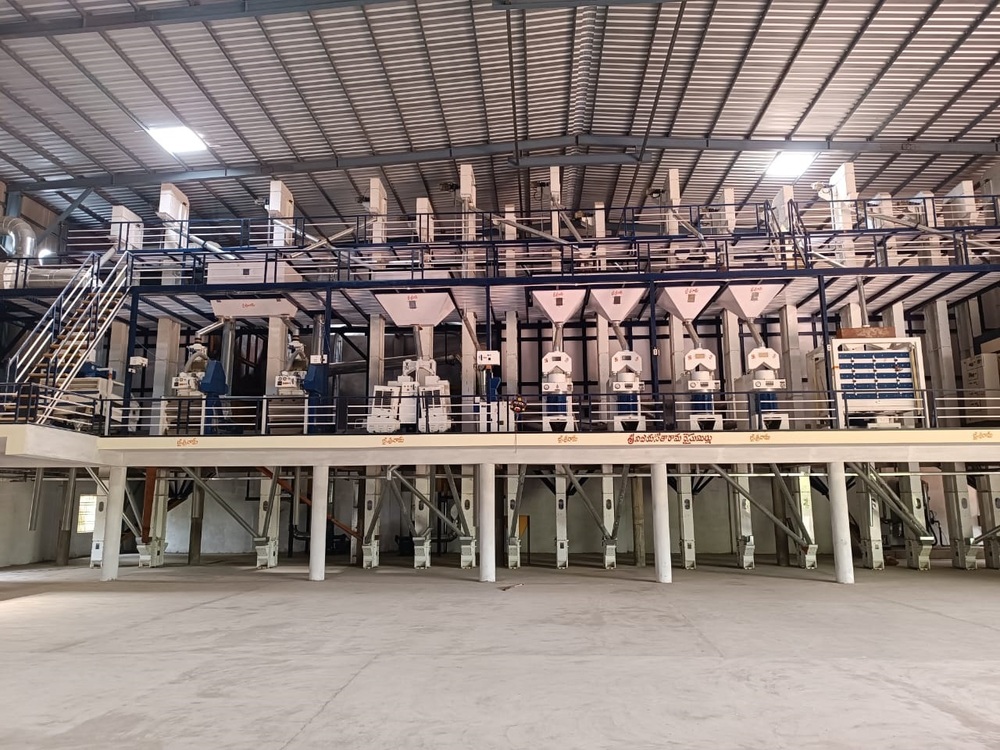
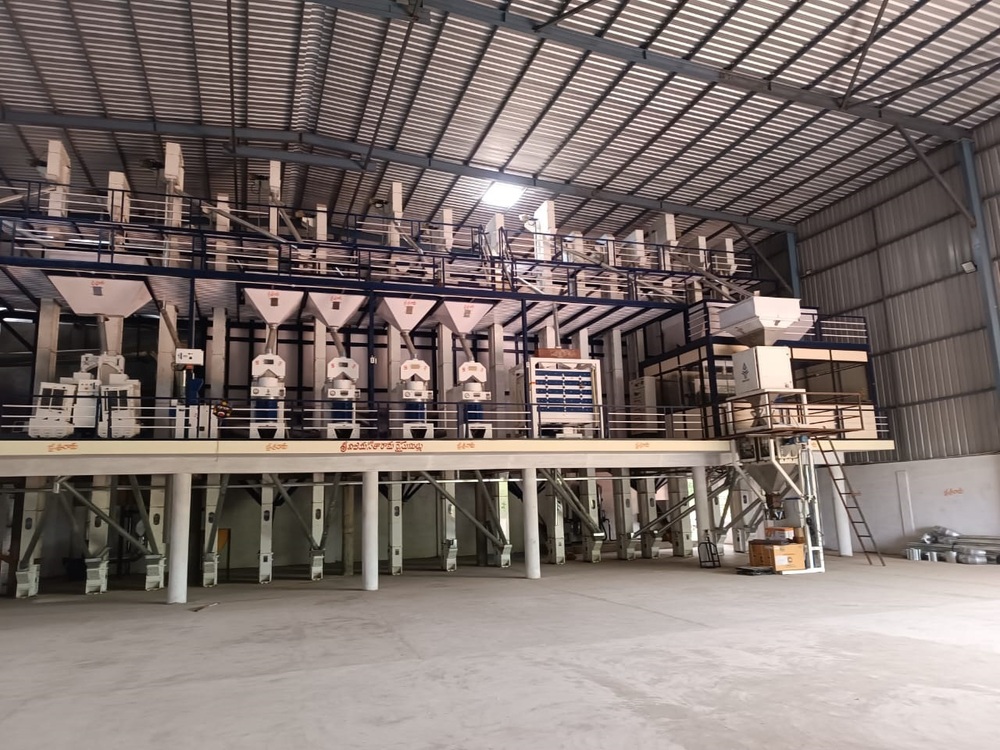
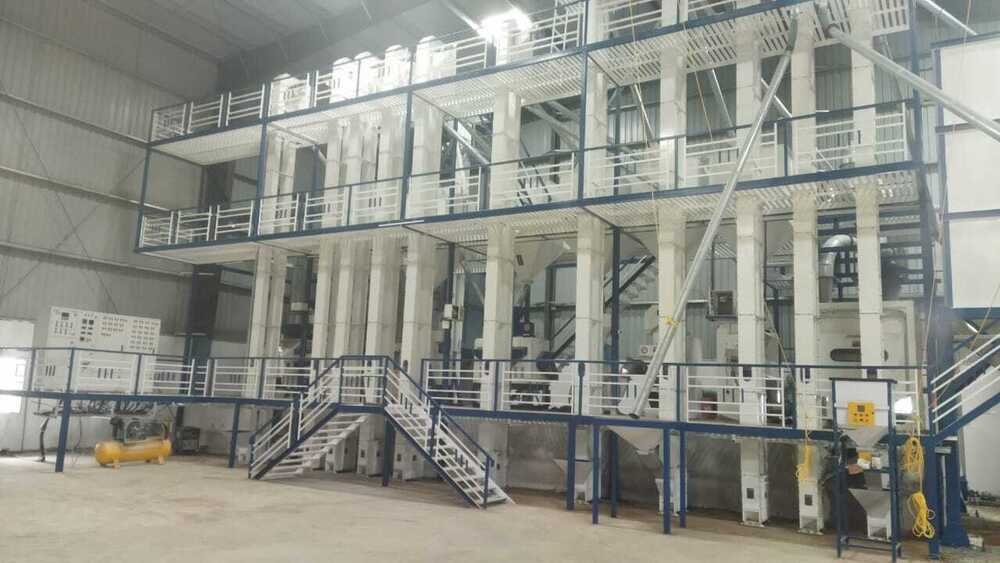
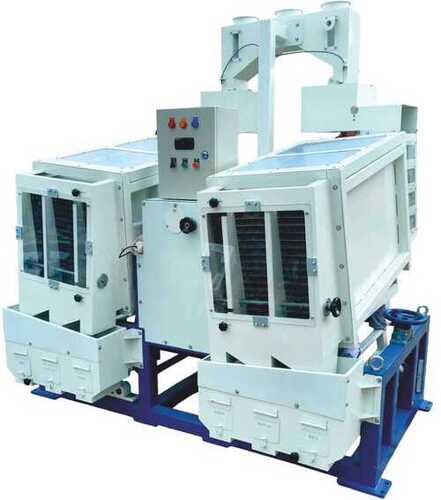
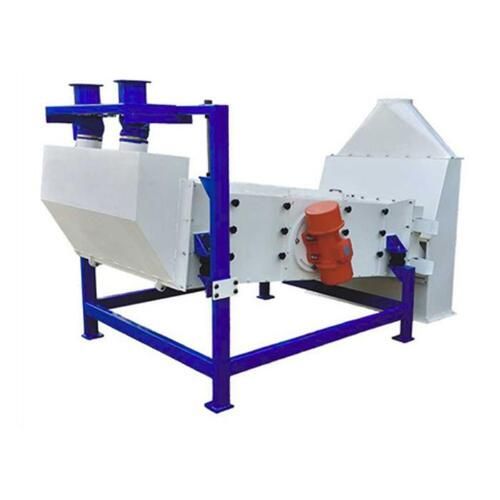
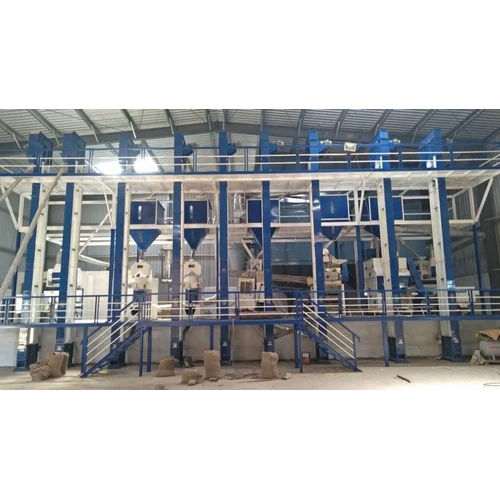
Our Rice Mill Machinery offers a complete solution for efficient paddy processing, transforming it into high-quality rice. This robust setup includes:
- Pre Cleaner: Removes large impurities and debris from paddy before further processing.
- Paddy Cleaner: Utilizes screens and air to eliminate dust, stones, and other foreign materials.
- Rubber Sheller: Gently removes husk from paddy without damaging the rice grains.
- Husker: Efficiently removes remaining husk from brown rice for optimal milling.
- Paddy Separators: Separates paddy from rice to ensure a clean output.
- Whitener: Smoothly removes bran layers from brown rice, converting it to white rice.
- Silky Polisher: Polishes the rice to enhance its appearance and remove any residual bran.
- Sifter: Screens rice to ensure uniformity in size and quality.
- Length Grader: Sorts rice based on grain length for consistent quality.
- FRK (Fine Rice Kernel) Separator: Separates fine rice kernels from broken grains to enhance product quality.
Efficient Automation for Modern Rice MillingWith automatic grading, sorting, separation, and packaging, our rice mills streamline the entire process, reducing manual intervention and enhancing operational efficiency. The computerized-free, panel-operated system makes operation straightforward for commercial users seeking reliability and speed. High sorting efficiency ensures greater rice quality and output consistency.
Robust Construction and Custom FitBuilt using high-grade mild steel or stainless steel, the rice mills promise durability and low maintenance. Dimensions and design can be tailored to client requirements, allowing seamless integration into new or existing facilities. Flexible color options in green or white add to the visual adaptability.
Comprehensive After-Sales SupportWe provide onsite installation and training across India, ensuring operators are well-versed in handling the automatic system and maintaining optimal performance. Our expert assistance extends beyond delivery, making certain your milling process remains productive and reliable.
FAQs of Rice Mills:
Q: How does the automatic paddy separation and packaging system work in this rice mill?
A: The rice mill uses advanced mechanical separation and sensor-based sorting to efficiently distinguish and process paddy grains. After cleaning and husking, the system automatically separates rice from husk and other impurities, then sorts and packages the final product with high accuracy, greatly reducing manual intervention.
Q: What are the main benefits of choosing a panel-operated, automatic rice mill for commercial use?
A: Panel operation simplifies control, minimizing technical complexity for users. Automation increases capacity, maintains consistent product quality (sorting efficiency 98%), and reduces labor costs. Users benefit from higher productivity and minimal operational downtime.
Q: When is on-site training and installation provided for these rice mills?
A: Onsite installation and training are arranged immediately following delivery to your facility. Our technicians ensure proper set-up, calibration, and hands-on guidance for your team, so production can commence efficiently and safely.
Q: Where can the rice mills be installed, and are the dimensions adjustable for specific sites?
A: These rice mills are suitable for commercial milling facilities across urban and rural settings in India. We offer customized sizing (standard width approx. 3 feet and dimension 6.5m x 3m x 2.8m) for seamless integration into unique operational spaces.
Q: What materials are used in constructing the rice mills, and how does this impact durability?
A: The framework is built from mild steel (MS) or stainless steel (SS), offering high resistance to wear and corrosion. This robust construction guarantees long-term durability and reduces the need for frequent maintenance.
Q: How is dry cleaning incorporated into the milling process, and why is it important?
A: Dry cleaning removes dust, stones, and other impurities from raw paddy before processing, using mechanical sifters and aspirators. This step protects downstream equipment and ensures a higher quality, contaminant-free final rice product.
Q: What capacity ranges are available for these rice mills, and are they suitable for high-volume operations?
A: The mills offer processing capacities from 2 to 12 tons per hour, suiting both medium and large-scale commercial enterprises seeking efficient, high-volume rice production.




 Send Inquiry
 Send Inquiry

